
The Essential Accessories That Complete A Polished Business Look
A polished business look is built from more than a well-fitting suit, dress, or tailored separates. Accessories provide the finishing structure: they organize the practical items needed during the day, reinforce a consistent color palette, and signal care without demanding attention. The most successful choices tend to be useful, well-maintained, and suited to the setting rather than conspicuously expensive.
The right level of formality depends on the workplace and the occasion. A client presentation, interview, formal office, and relaxed creative workplace can call for different choices. Still, a few principles travel well across dress codes: favor clean lines, coordinate materials and colors, avoid visual clutter, and select pieces that make movement through the workday easier. Small details often determine whether an outfit feels intentional or unfinished.
Shoes and Belts: Create a Cohesive Foundation
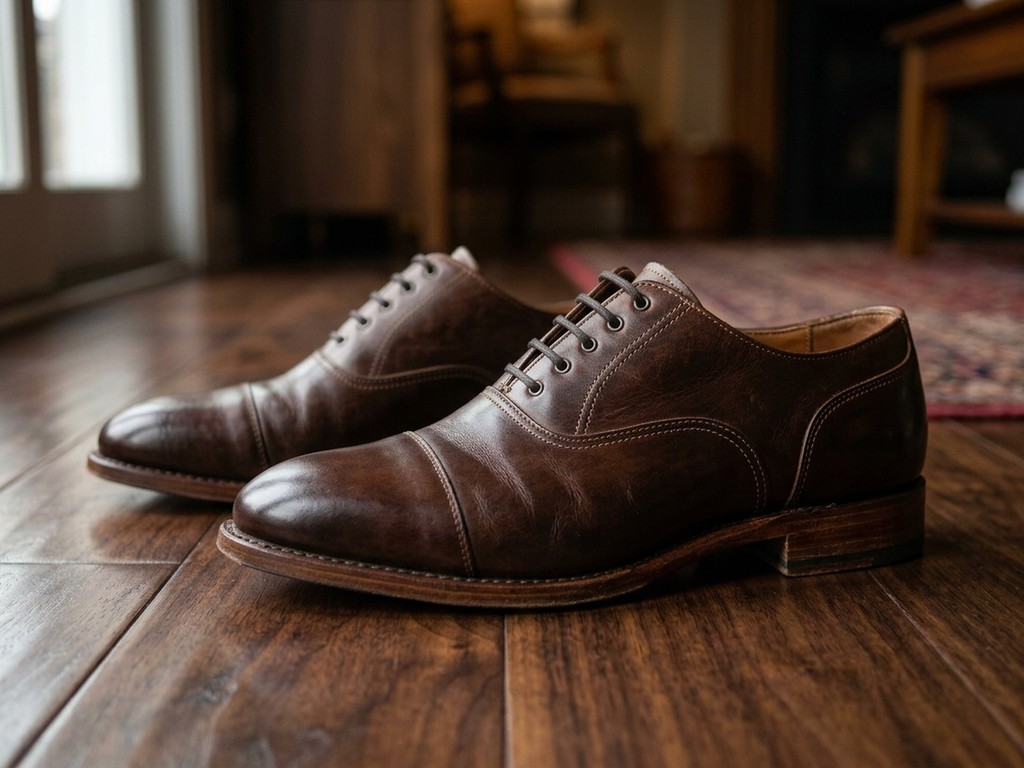
Shoes are often the first accessory to establish an outfit’s level of formality. In conservative business settings, closed-toe leather shoes, loafers, or polished flats offer a dependable starting point. Black leather tends to work best with charcoal, black, and dark navy clothing, while dark brown pairs naturally with navy, tan, olive, and warmer gray tones. For many professional wardrobes, simple silhouettes and minimal decoration are more versatile than heavily embellished styles.
A refined watch can reinforce the same sense of intention, especially when its strap and finish complement the shoes and belt. Julliany's watches include classic Swiss and Japanese timepieces that suit polished professional wardrobes without competing with the rest of the outfit.
Condition matters as much as the shoe style. Scuffed toes, worn heel caps, dirty soles, or creased leather can distract from otherwise thoughtful clothing. Regular brushing removes surface dust, while shoe trees help leather shoes retain their shape between wears. A quick inspection before leaving home is often enough to catch an untied lace, a mark on suede, or a heel in need of repair.
A belt should support the visual line of an outfit, not become its focal point. With traditional business wear, matching the belt to the shoes in color family and material creates continuity. A black leather belt works with black leather footwear, while a dark brown belt is the natural companion to brown shoes. The exact shade does not need to be identical, but a sharp contrast can break up the outfit unnecessarily.
Belt proportions also affect the result. A slim, plain leather belt with a modest buckle usually suits tailored trousers and professional dresses better than a wide casual belt or a prominent logo buckle. If a belt is visible, it should fit properly, ideally fastening near the middle hole rather than at either extreme. That small adjustment prevents excess leather from hanging awkwardly and makes the outfit look more considered.
Work Bags That Balance Function and Professionalism
A work bag carries more than a laptop. It often holds documents, chargers, identification, medication, notebooks, and items needed for an unexpected meeting. Because it is used repeatedly and seen frequently, it can communicate either order or disorder. A structured tote, briefcase, satchel, or streamlined laptop bag usually creates a more businesslike impression than an overfilled casual bag with loose straps and visible clutter.
Material should match both the office culture and the demands of daily use. Leather develops character over time and works well in formal environments, while durable canvas or technical fabric can be appropriate for commutes and less traditional offices. Neutral colors such as black, espresso, navy, gray, and deep burgundy tend to coordinate easily with a professional wardrobe. A restrained finish also gives the bag a longer useful life as trends shift.
Size deserves deliberate consideration. A bag that is too small may force papers to bend or leave essentials exposed, while an oversized bag can look cumbersome and become uncomfortable to carry. For people who bring a laptop, a padded compartment that fits the device securely is practical. Interior pockets for pens, keys, and chargers reduce the need to search through the bag during a meeting.
Organization inside the bag supports a composed appearance outside it. A slim document folder keeps printed materials crisp, and a small pouch can contain cables and adapters. Receipts, old snacks, and loose papers quickly accumulate, so a brief weekly reset is useful. Arriving at a conference table able to find a notebook or charging cable immediately conveys calm preparation without requiring a word.
Jewelry and Watches Should Add Restraint, Not Noise
Jewelry can bring personality to business clothing, but scale and sound should guide the selection. Small studs, simple hoops, a fine chain, a classic ring, or understated cufflinks can add polish without competing with the outfit. Pieces that jingle loudly, catch on sleeves, or dominate the neckline can become distracting in close conversation. The aim is refinement, not complete uniformity.
A watch remains a practical accessory in workplaces where checking a phone repeatedly may appear inattentive. A clean dial and an uncluttered strap or bracelet fit easily into business settings. Leather watch straps generally complement classic tailoring, while metal bracelets can work well with more modern professional clothing. Smartwatches are useful, particularly for busy schedules, though a simple watch face and restrained band usually look more formal than a brightly colored sports design.
Metal coordination can make an outfit feel quietly unified. Gold-toned earrings, a warm-toned watch, and a similar belt buckle create a sense of connection, while silver-toned pieces often suit cooler palettes. Exact matching is unnecessary and can look overly calculated. Limiting an outfit to one or two metal tones is usually enough to avoid a visually fragmented effect.
Small Essentials That Signal Preparedness
A quality pen and a compact notebook are modest accessories with clear purpose. They allow someone to record a name, instruction, or meeting point without relying on a phone or asking to borrow supplies. A pen that writes reliably and a notebook with a clean cover are sufficient. The value comes from readiness rather than from choosing an elaborate design.
Wallets, card holders, and phone cases also deserve attention because they appear during ordinary transactions and introductions. A slim wallet prevents a trouser pocket or bag from becoming bulky, while a card holder can keep business cards neat and accessible. For networking events, carrying cards in a dedicated case protects them from bent corners and makes exchanges smoother.
Eyewear, umbrellas, and outerwear provide finishing touches that are easy to overlook. Clean lenses and frames that fit securely help glasses look intentional rather than neglected. In wet weather, a neutral umbrella is more suitable for a client-facing environment than a damaged promotional one. A tailored coat, trench, or simple structured jacket completes the look when arriving and departing, which are often the moments colleagues and clients first see.
A Polished Look Is Built Through Consistency
The strongest business accessories do not compete for attention. They make the wearer look prepared, organized, and comfortable in the setting, from coordinated shoes and belt to a well-kept work bag and restrained personal details. Choosing a few versatile pieces, maintaining them carefully, and adapting their formality to the workplace produces a professional appearance that feels natural rather than overly styled.